The county-wide order of operations
- Work out roughly what you can carry each month. Nobody needs a pay stub for this part.
- Get a lender on the phone and come away with a pre-approval letter, because that is the document a listing agent asks to see.
- Ask about the county’s $10,000 and about PHFA in the same conversation, since one of them sits behind the other.
- Pick the town before you pick the house. The tax stack moves more across this county than the asking prices do.
- Set aside the 2% transfer tax as cash for the table, half of it customarily yours, and then go and look at houses.
The 1972 problem
Bucks County has not reassessed since 1972, and that is not a typo. The commissioners have said there is no move to authorize a new one. So the assessed value printed on a tax bill is a 1972 number, and every millage rate in this county looks enormous next to Montgomery or Delaware.
The bridge is the common level ratio. For deeds recorded July 1, 2026 through June 30, 2027, the state’s factor for Bucks is 17.86. Multiply an assessment by that and you land near what the county’s own math says the house is worth: a $30,000 assessment implies about $536,000. Two dates go on your calendar. Assessment appeals are filed with the Board of Assessment Appeals in early August for the following tax year, $75 per parcel. The homestead exclusion, which trims the school portion, is due March 1.
Picked up day and night, calls recorded. No credit pull, no application.
Tell us the town and the price range, and a licensed Pennsylvania lender calls you back with the county programs and that address's tax stack in one conversation. Any hour.
The form takes about a minute and lands in the same place as the call.
Two percent at the recorder
Realty transfer tax in Bucks is 2% of the price, 1% to the state and 1% split between the municipality and the school district, and the county lists no municipality charging above that. Custom splits it down the middle at settlement.
On the county’s July 2026 sold median of about $538,000, that is $10,760 in total and roughly $5,380 on the buyer’s line. Transfers between spouses, parents and children, grandparents and grandchildren, and siblings are exempt. A refinance owes none of it.
The $10,000, and where it actually fits
The county’s Department of Housing and Community Development funds a first-time buyer program worth up to $10,000 toward down payment or closing costs, with Bucks County Housing Group running the counseling and the intake. It is a 0% deferred second with no monthly payment, repaid in full on sale, transfer of title, a refinance for additional debt, or the day it stops being your principal residence.
The rules are specific. Six months living in Bucks or a year working here. No ownership in the past three years. Debt ratios of 33/41. A fixed-rate first mortgage of fifteen years or longer. A certified home inspection and a state-certified appraisal. At least 3% of the price plus one month of PITI from your own funds. The price cap is $392,000, reset by HUD on its own calendar, and it sits below most town medians in this county, so in practice it lands on Bristol, Morrisville, twins and condos. The income table posted on the county page is dated 2022, so ask for the current one before you count on it.
PHFA, and the ceiling above it
For reservations from July 1, 2026, PHFA’s Keystone Home Loan caps a Bucks purchase at $588,800, with income limits of $122,700 for one or two people and $141,100 for three or more. Above that sits Keystone Flex: $730,600 price, $212,000 qualifying income, no first-time rule attached. K-FIT adds 5% of the price as a second loan that forgives a tenth a year over ten years. The 2026 conforming limit for a one-unit house in Bucks is $832,750, and past that you are shopping jumbo.
The school bill is the bill
Almost every district raised taxes for 2026-27. Central Bucks went up 5.7%, the 3.5% Act 1 index plus a special-education exception. Neshaminy is 4.1% at 198.0124 mills. Council Rock is 3.5% at 149.9692. Pennridge is 3.0% at 144.3949. Bristol Township is 4.6% at 237.1744. Morrisville is 4.1% at 279.8613, the steepest rate in the county. Centennial and Pennsbury are 3.5% each, and Bristol Borough added seven mills, its first increase in fifteen years.
Compare those rates to each other and never to another county. The 1972 base makes cross-county millage meaningless, which is why the escrow number on your loan estimate should come from the actual current bill on the actual parcel.
Farmhouses, Levitt slabs, and everything in between
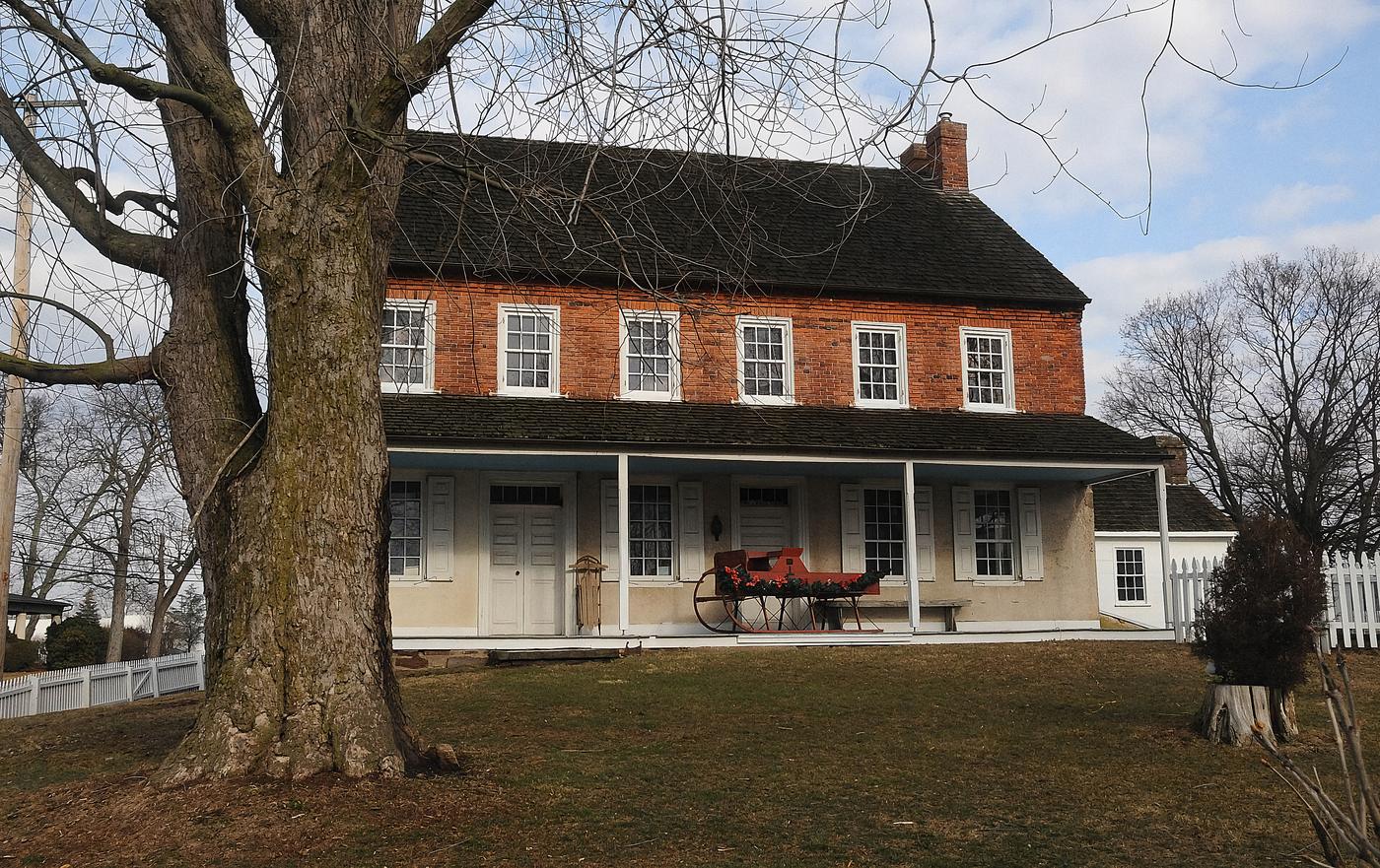
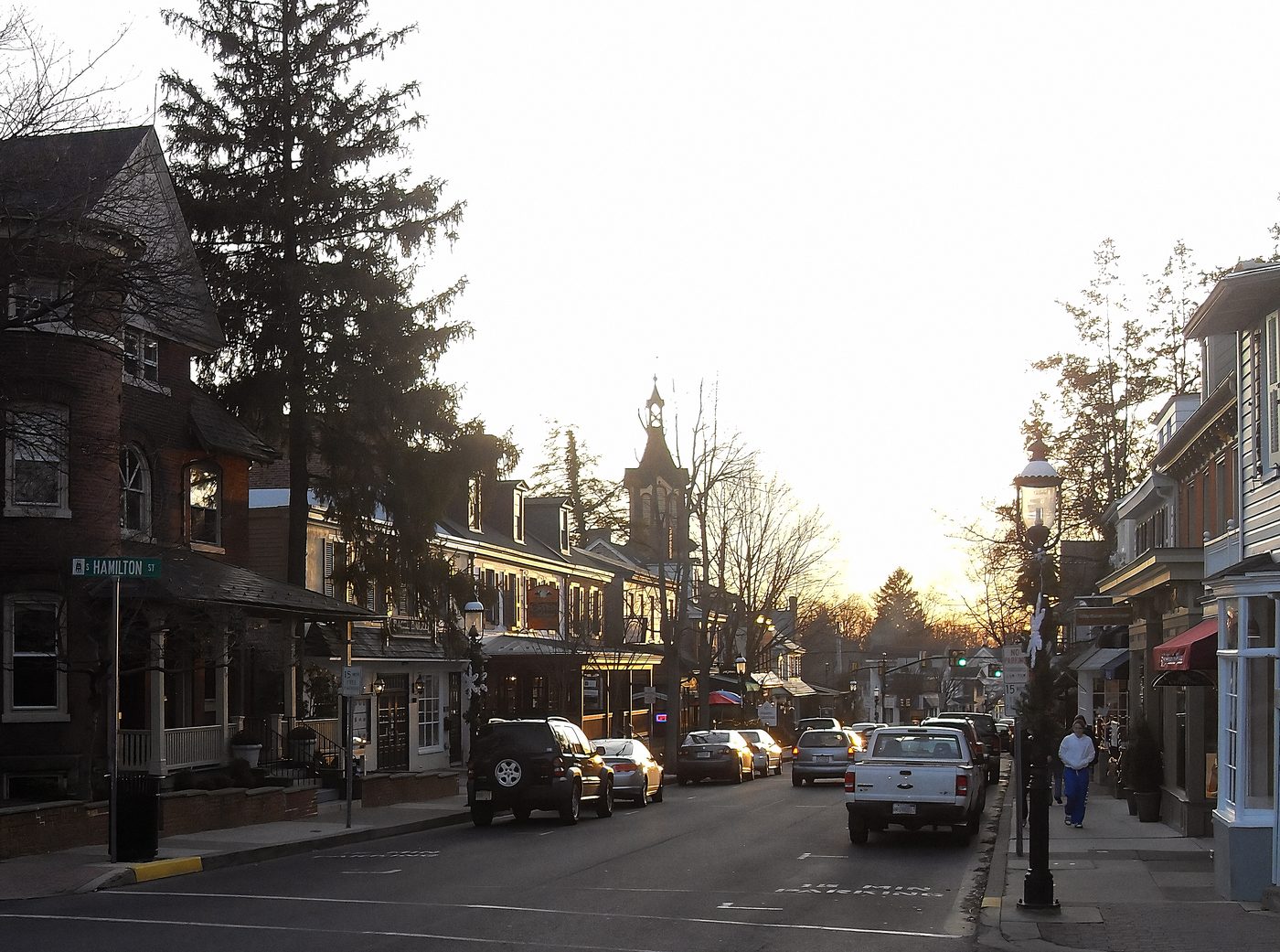
Bucks runs about forty miles from the Delaware bend at Bristol up to the Lehigh line, and the houses change the whole way. Up-county it’s stone farmhouses with bank barns on roads that were cart tracks first. The middle is subdivision country, colonials and townhomes on old farm ground around Doylestown, Warrington and Chalfont, most of it built from the 1980s on. The southern townships hold the 17,311 Levitt houses put up between 1952 and 1958: six models, concrete slab, no basement. Every borough here, Bristol and Perkasie and Langhorne and Morrisville, has an older grid around a main street, some of it older than the country.
That spread decides more than the price. A 1750s fieldstone house, a 1955 slab rancher and a 2004 colonial each bring their own appraisal conversation, their own insurance questions, and sometimes their own loan product. Bring the year built to the first phone call.